In the Beginning
we were all beginners.
This coming Saturday I will teach one of my favorite classes - Yoga for Beginners. Teachers of all modes and venues are blessed with the opportunity and task of shaping and presenting a new concept. And whether that eventual learned skill is to be performed with human hands, spoken with a lovely European trill, sung in a cappella, danced with the body, or mathematically solved by the brain, in the course of a lifetime we all gain a personally curated toolbox of skills that shape and enrich our lives, continuing as we age.
The most interesting people know this as Truth.
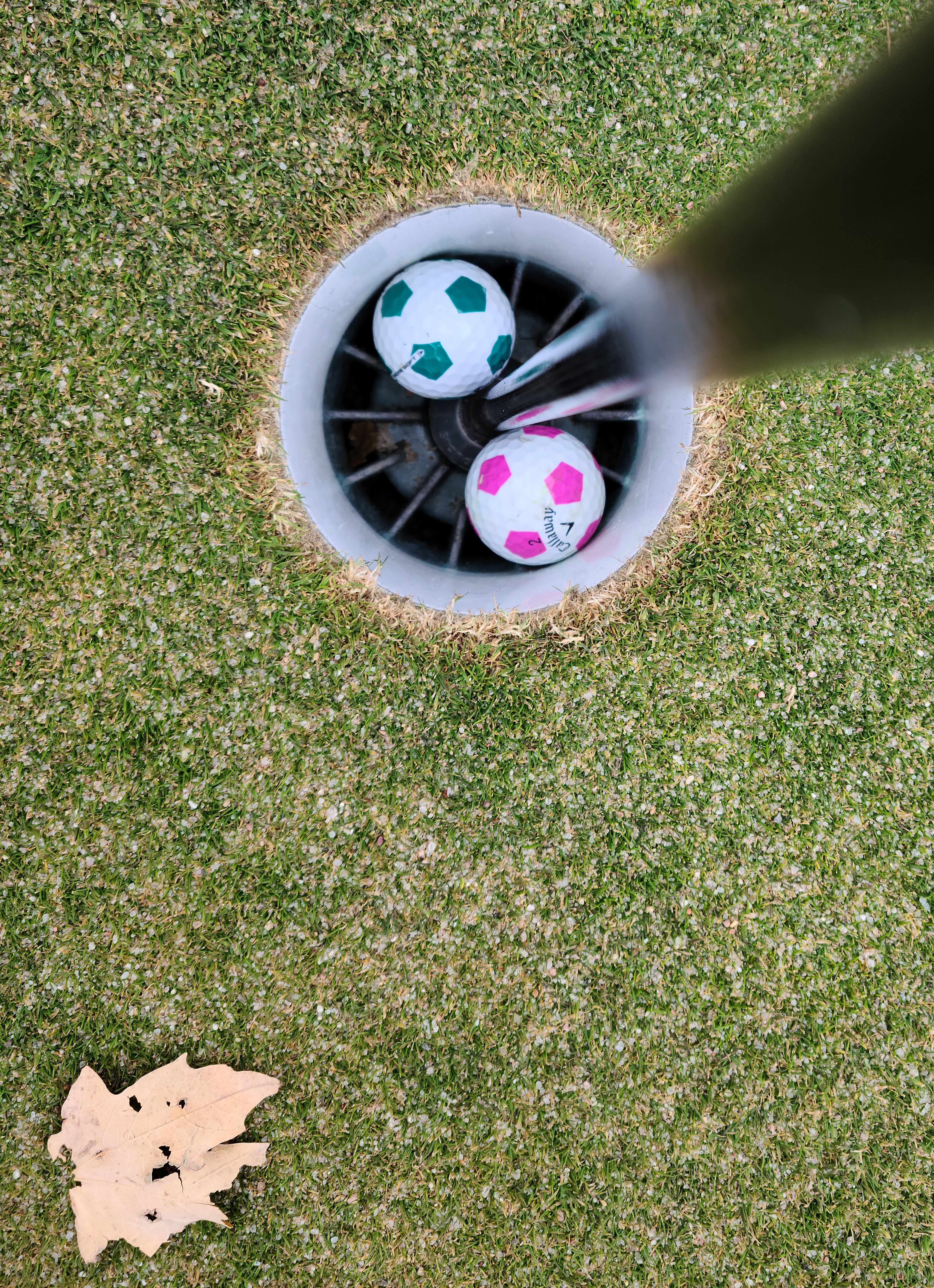
When I was young, I learned how to play the piano. I can still play Music Box Dancer by Frank Mills (sort of). But my piano teacher died, and then I never found another. (Hey, I was seven.) My father tried to teach me how to play golf when I was twelve, but I hated it. Memory flashbacks have my brother and I throwing golf clubs at trees. Later in life after inheriting my mother’s golf club collection, I picked the game up and now really enjoy it to the point where I am a Calaway-only brand golf ball/club snob. I played the violin for a short while in grade school during the time when the hit The Devil Went Down to Georgia by the Charlie Daniels Band was constantly on the radio. (I could not play that song, but I still know the lyrics by heart.) I asked my father to teach me how to play the guitar when I was 52. I have been teaching myself Italian since 2015. I learned how to lap swim from a friend at age 30. A German woman in New Zealand taught me how to knit when I was 23.
With thanks to these teachers, I can confidently describe myself as a person who can knit, swim laps, speak rudimentary Italian, play guitar, and golf.
As adults, we have the freedom and the pleasure of cherry-picking our pursuits. If the piano teacher dies, we can cherish him or her with gratitude and later find another. Our elementary, high school, and University days are far back in the rear view, and we are free to take the non-required courses that life has to offer. In my twenties while working on my two-year pre-med program at the University of Nebraska at Omaha, I spent time in the women’s bathroom every Tuesday and Thursday crying from the utter horribleness that was organic chemistry. Nothing for the rest of my life - not even giving birth to a ten-pound baby - proved ever to be as difficult as those courses were for me. And even though the skills of titration are occasionally required, I am not drawing chemical chains or thinking about the periodic table.
Even as recently as yesterday I learned how to properly obtain household hot water in Scotland (this is true in rural Ireland as well). You must plan for it ahead of time (“hmmm, I will need hot water to do the dishes later”) by flipping a switch and/or pulling a cord. There is also a thing called “boosting” the hot water expectation. If you want a hot shower or bath later, you first need to push the “boost” button, which will make the hot water heater activate within the hour, because it has been sleeping on the job.
What most people living in the UK do not realize is that in addition to driving on the literal right side of the road, Americans and Canadians don’t have to flip a switch to activate power outlets, hot water heaters, and towel warming racks (we don’t even have those). When you think about it, what they in the UK and Ireland are doing is saving power by keeping outlets and power sources on “off” or “hold” until needed. To us in North America, it is equivalent to unplugging appliances when they are not in use. This is all a result of the Brits not having central heating (HVAC), which of course automatically turns itself off and on in a cycle run by a thermostat. In Fahrenheit. What this means is that I have been taking half-full, warm-not-hot baths for the last four years.


As I write this, I am actively turning 58 years old and fully expect to learn more new things in 2026. And probably later this week as well.
Happy New Year, Blessings & Love,