Jump Ropes Are for Kids
modify rather than skipping it
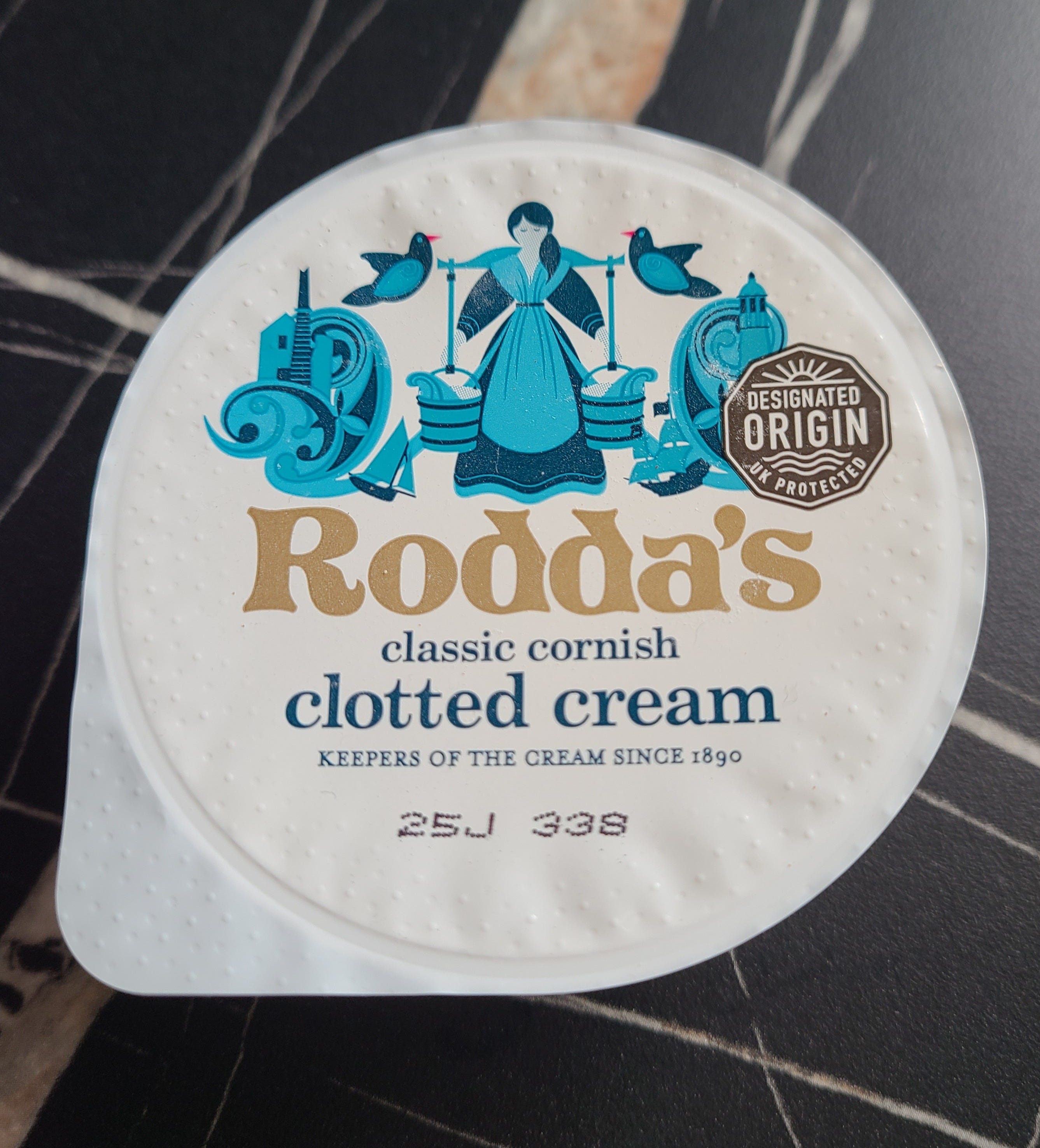
Before I leave Scotland and head down to England, we must discuss clotted cream. The marketing department or medieval man who invented the name for this cooked-then-cooled butter failed miserably. To my ear and eye, the word “clot” conjures up an image of blood, as in blood clot. And I do not want that on my sourdough toast or on my scone. As a person who used to clarify butter regularly - that’s called ghee - and who at one time owned a butter churn straight out of Little House on the Prairie - this whole fussing-with-cream-thing needs to hone its focus on a singular maneuver - whip it until it is something called whipped cream. Add sugar and vanilla. Pass the scones and a spoon. The end.
While clotted cream may belong to Cornwall, Irn Bru belongs exclusively to Scotland. Invented in 1901 to help with the health-and-wellness crisis of the steel workers (girders) downing pints of beer both at lunch and after work, the local council government thought, “let’s invent a soft drink that will appeal to the manly man and maybe it will take the place of a pint.” The post-2018 version in the above photo contains aspartame and caffeine. The older version on the right has been reformulated to the original recipe containing a lifetime supply of 100% sugar, no caffeine, and the same dashes and drops of Sunset Yellow FCF and quinine as the modern recipe modification.
These food modifications - Cornwall blood clot cream modified from plain-old butter and Irn Bru modified from the classic to the modern solution of a perceived desire of a “less sugar” response by adding a carcinogenic chemical compound, are food examples of how we can modify any object or activity.
In a Yoga practice we may temporarily modify a pose for an injury or a pregnancy, but the hardest modification by far is the mental one. When you have a prior framework for something, it can be exceedingly difficult to modify it into another experience, feeling, or taste. For example, Aspartame hits the brain differently than sugar does. The biggest obstacle is not the modification but more often our ego’s response to it - the memory reference of what we used to be able to do vs what we can or should do now. I have a client who is pregnant with twins. She has a prior in-depth Yoga practice - and she’s a former ballet dancer. Talk about mental modification struggles. But she is doing a beautiful job with it.
One of the wonderful things about practicing with the same group of people for many years is that we can commiserate about the aging process and how it affects our Yoga practice. Many in our group have been through various surgeries and physical therapy programs while holding hands with everyone as we all face the general wear and tear on our bodies and minds as time marches on. In this state of inevitability, we offer daily support to one another.
Nothing is static. Flexibility - both mental and physical - is essential to endure the ebb and flow of life.
For Your Consideration:
Restorative Therapy Training Weekend with Melanie:
May 1 - 3, 2026
In this 12-hour virtual training weekend, you will learn and practice the skills that will enable you to guide and teach a Restorative Yoga class.
Schedule (CT): Friday, May 1st, 6 - 8 pm Welcome & Orientation | Saturday, May 2nd, 11:00 am - 4:00 pm | Sunday, May 3rd, 11:00 am - 4:00 pm
Following the training weekend, you will participate in four Restorative Yoga Sunday classes for further experience and instruction.
Virtual Beginner Yoga Six-Week Session:
May 23rd - June 27th, 2026
Six Saturdays 11am-12pm CST
Titanic Sinking (April 15th, 1912) Trivia:
In July 1912, two men out sailing off the coast of Rhode Island New York, found a bottle at Block Island, in which was the following written message: “April 16. Mid ocean. Help. on a raft Titanic sinking. no water or food. Major Butt.”
Major Archibald Butt was a well-known U.S. Army officer, and a military aide to US president William Taft. He boarded Titanic in Southampton and was returning home after six weeks in Europe. There are various speculative accounts describing Butt’s bravery in organizing the lifeboats as the ship went down. What is certain, from witnesses, is that he was playing cards in the first-class smoking room when the collision occurred (many accounts have him continuing to play until minutes before the ship went down); and he was last seen standing on the sinking deck with John Jacob Astor. Butt did not survive the sinking; his body was never recovered.
At first, the message was regarded as a “ghastly joke”, but the fact that it was written on a wireless blank bearing the Titanic imprint, brought the two sailors to believe it was authentic.
Blessings & Love,